
Watching Native Ukrainian Media Will Accelerate Your Listening Skills

Author
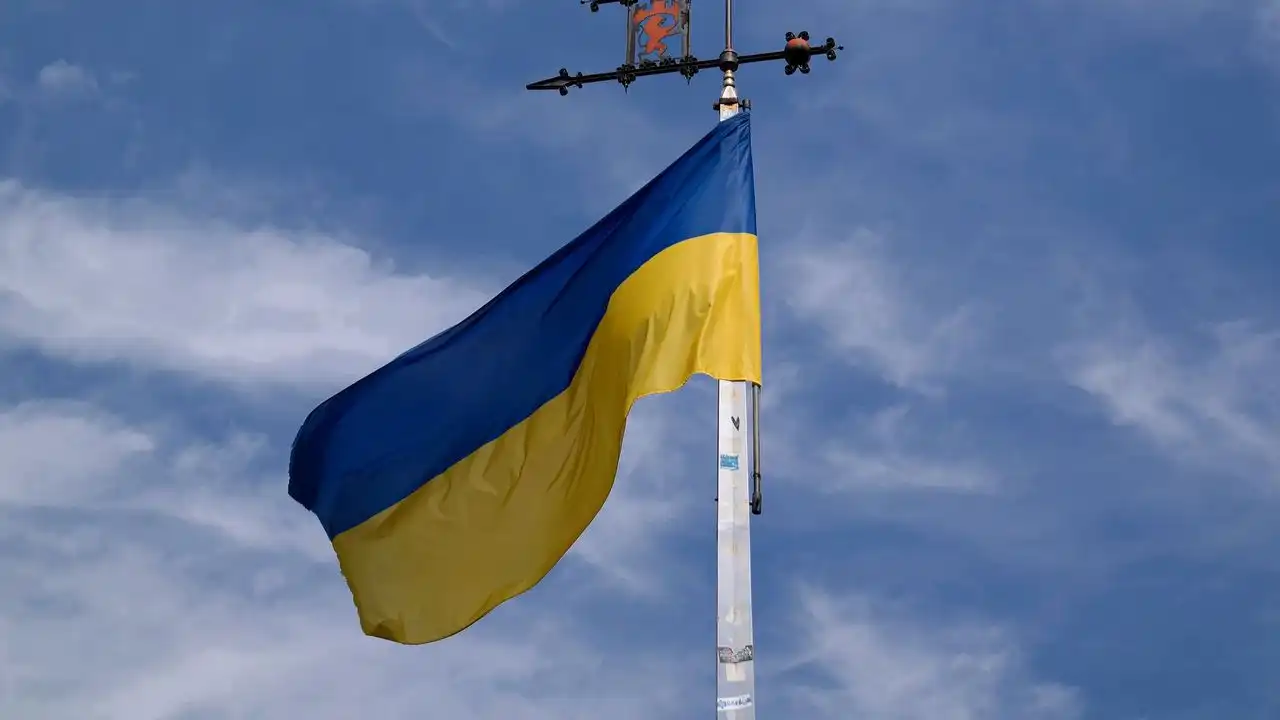
Textbook audio alone won’t prepare you for real-life Ukrainian conversations.
Native speakers talk fast, blend their words together, and use regional slang that you’ll never find in a traditional grammar book.
Watching native Ukrainian media directly exposes you to the language exactly as it’s spoken in Ukraine today.
This exposure is the most effective way to improve your listening comprehension.
I’m going to show you exactly how to use Ukrainian shows, movies, and videos to accelerate your language learning.
Table of Contents:
Why textbook audio isn’t enough
Most beginner language courses use slow, highly articulated audio tracks.
Voice actors in these recordings pronounce every single syllable perfectly.
Real humans simply don’t speak this way.
A native speaker from Kyiv or Lviv will drop sounds and connect words fluidly in casual conversation.
Take a look at this common everyday question.
Що ти робиш?
In a textbook, you hear a distinct pause between every single word.
In a real Ukrainian vlog or movie, it often sounds like one single, fast blur of sound.
Native media bridges this gap between classroom theory and street reality.
It trains your ears to expect the natural speed of spoken Ukrainian.
How native media trains your brain
Watching movies and YouTube channels trains your ear to catch the natural rhythm of Ukrainian.
You learn to pick up on the musicality and intonation of full sentences.
You also get exposed to authentic regional variations across Ukraine.
Someone from western Ukraine might use slightly different vocabulary and intonation than someone from the east.
Seeing visual cues on the screen also helps your brain guess the meaning of new words instantly.
If a character points at a cup and says a specific word, you learn that noun without needing an English dictionary.
This visual context builds your vocabulary much faster than staring at flashcards.
Active versus passive listening
You can’t just leave a Ukrainian movie playing in the background and expect to become fluent.
Background noise is passive listening.
Passive listening offers very little benefit for second language acquisition.
You need to practice active listening.
This means sitting down, giving the video your full attention, and actively trying to understand the dialogue.
Turn on Ukrainian subtitles instead of English ones whenever possible.
Reading the Ukrainian words while hearing them spoken helps your brain connect the spelling to the actual pronunciation.
Pause the video when you hear a phrase you don’t understand.
Write down the unfamiliar word and look it up so you recognize it the next time it appears.
Best platforms for Ukrainian media
You need to know where to find high-quality, authentic Ukrainian content.
There are plenty of accessible platforms out there for language learners today.
Here’s a breakdown of the best places to practice your listening skills with native media.
| Platform | Type of Media |
|---|---|
| Talk In Ukrainian | Highly recommended. Carefully curated native audio and video media designed specifically for learners to accelerate listening comprehension. |
| Takflix | An excellent streaming service for authentic, independent Ukrainian cinema and documentaries. |
| Megogo | A major streaming platform offering popular Ukrainian television shows, movies, and news broadcasts. |
| YouTube | The best free option for finding native Ukrainian vloggers, cooking channels, and travel guides. |
Start incorporating native media into your daily routine.
Even ten minutes of active listening every day will make a massive difference in your Ukrainian comprehension.