
Ukrainian Noun Genders And Plural Forms Follow Logical Rules

Author
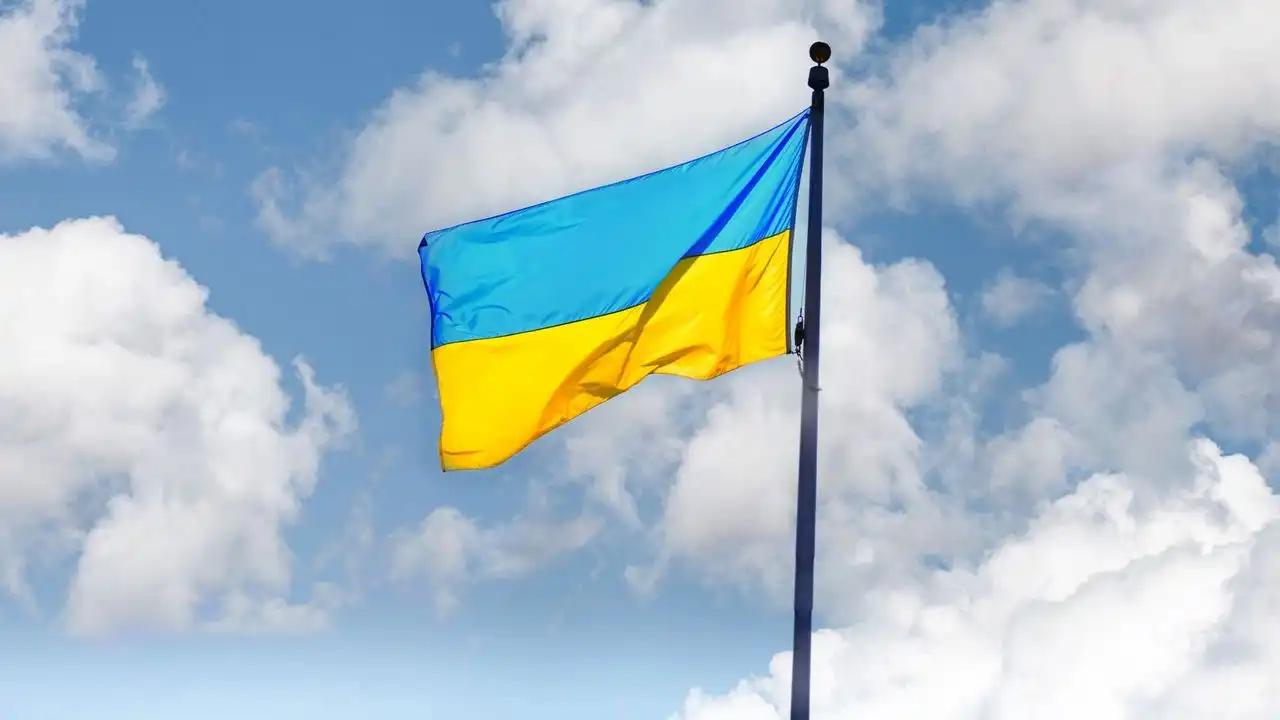
Ukrainian noun genders and plural forms follow strict, logical rules.
You can determine the gender of almost any Ukrainian word simply by looking at its last letter.
This makes learning vocabulary much easier than in languages where genders are completely random.
Once you know the gender of a noun, changing it into a plural form is just a matter of following a predictable pattern.
I’ll show you exactly how to identify genders and form plurals in Ukrainian.
Table of contents:
How to identify Ukrainian noun genders
Every noun in Ukrainian has a specific grammatical gender.
The three genders are masculine, feminine, and neuter.
You don’t need to memorize the gender of every single word individually.
Instead, you just need to look at the very last letter of the noun in its dictionary form.
Dictionary form simply means the basic, unconjugated version of the word.
Masculine nouns
Masculine nouns are the easiest to identify in Ukrainian.
If a noun ends in a consonant, it’s almost always masculine.
Masculine nouns can also end in the letter -й or the soft sign -ь.
Here’s a breakdown of masculine noun endings:
| Ending | Ukrainian Word | English Translation |
|---|---|---|
| Consonant | стіл | table |
| -й | чай | tea |
| -ь | день | day |
Де стіл?
Feminine nouns
Feminine nouns typically end in the vowel -а or -я.
There’s also a small group of feminine words that end in the soft sign -ь.
You’ll need to memorize the gender of words ending in -ь since they can be either masculine or feminine.
Here’s a breakdown of feminine noun endings:
| Ending | Ukrainian Word | English Translation |
|---|---|---|
| -а | сестра | sister |
| -я | сім’я | family |
| -ь | осінь | autumn |
Це моя сестра.
Neuter nouns
Neuter nouns are typically objects or abstract concepts that end in -о or -е.
Sometimes, neuter words can also end in -я.
The -я ending for neuter nouns is mostly reserved for baby animals or words with double consonants.
Here’s a breakdown of neuter noun endings:
| Ending | Ukrainian Word | English Translation |
|---|---|---|
| -о | місто | city |
| -е | море | sea |
| -я | кошеня | kitten |
Місто велике.
Forming plural nouns in Ukrainian
Forming the plural in Ukrainian directly depends on the gender and the ending of the noun.
Hard endings take one type of vowel, while soft endings take another.
Masculine plurals
Most masculine nouns ending in a hard consonant form the plural by adding -и.
If the masculine noun ends in -й or -ь, you drop that last letter and add -і.
For example, брат (brother) becomes брати (brothers).
The word день (day) drops the soft sign and becomes дні (days).
Feminine plurals
Feminine nouns ending in -а change their ending to -и.
Feminine nouns ending in -я change their ending to -і.
For example, сестра (sister) becomes сестри (sisters).
The word сім’я (family) becomes сім’ї (families).
Neuter plurals
Neuter nouns flip their vowels entirely.
Nouns ending in -о change their last letter to -а.
Nouns ending in -е change their last letter to -я.
For example, місто (city) becomes міста (cities).
The word море (sea) becomes моря (seas).
Summary table for plurals
| Gender | Singular Ending | Plural Ending | Example |
|---|---|---|---|
| Masculine | Consonant | +и | брат ➝ брати |
| Masculine | -й / -ь | -і / -ї | чай ➝ чаї |
| Feminine | -а | -и | сестра ➝ сестри |
| Feminine | -я | -і / -ї | пісня ➝ пісні |
| Neuter | -о | -а | місто ➝ міста |
| Neuter | -е | -я | море ➝ моря |
A few logical exceptions
Some Ukrainian words describe people and take their gender based on biology rather than spelling.
For example, the word for dad (тато) ends in -о but is masculine.
Тато тут.
The word for grandpa (дідусь) ends in a soft sign but behaves entirely as a masculine noun.
Similarly, names for men that end in -а or -я (like Микола or Ілля) are grammatically masculine.
Aside from these biological exceptions, the spelling rules will correctly predict the gender for the vast majority of vocabulary you learn.